-
 Photography: Daniel Hanoch
-
 Photography: Daniel Hanoch
-
 Photography: Daniel Hanoch
-
 Photography: Daniel Hanoch
-
 Photography: Daniel Hanoch
-
 Photography: Daniel Hanoch
-
 Photography: Daniel Hanoch
-
 Photography: Daniel Hanoch
-
 Photography: Daniel Hanoch
-
 Photography: Daniel Hanoch
-
 Photography: Daniel Hanoch
-
 Photography: Daniel Hanoch
-
 Photography: Daniel Hanoch
Solo at Rothschild
a space for solo exhibitions, created by the Edmond de Rothschild Center especially for members of the Edmond de Rothschild Center network. Its purpose is to foster the development of new projects and facilitate the production of existing works by providing curatorial guidance and encouraging group thinking processes.
Three solo exhibitions at the Edmond de Rothschild Center, floor -1.
May-December 2026
Participants: Alma Ben David and Lior Harel, Oren Rozensal, Amir Cohen
Curators: Tali Romem, Einat Gabai Levi, Gabi Glick
[1/3]
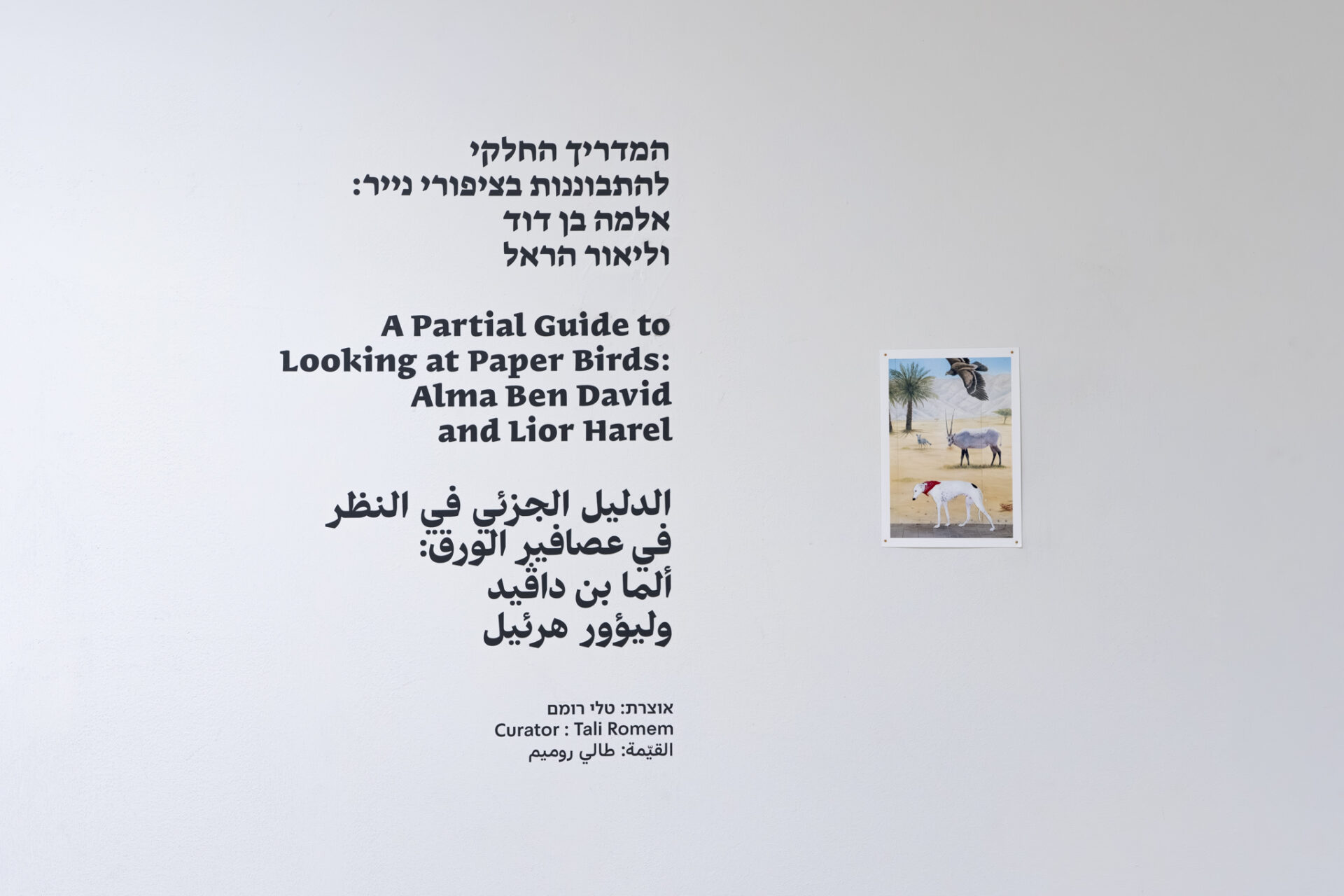
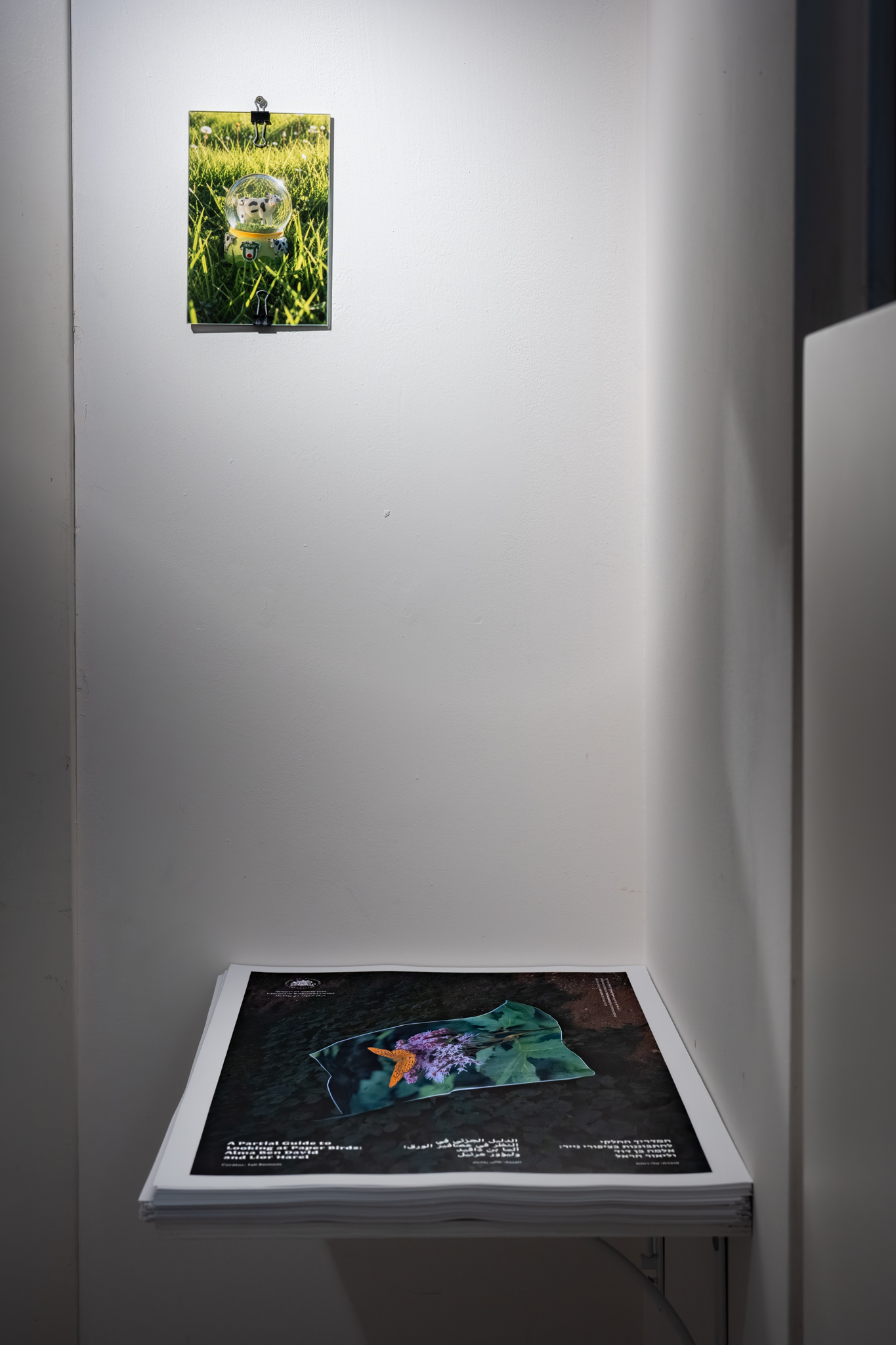
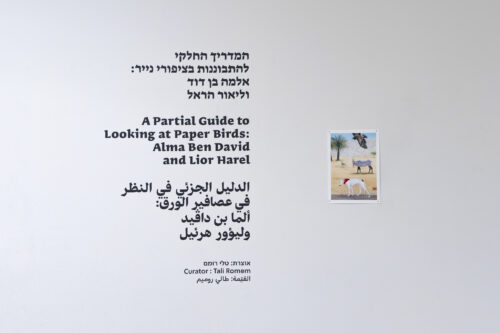
Alma Ben David and Lior Harel | A Partial Guide to Looking at Paper Birds
Curator: Tali Romem
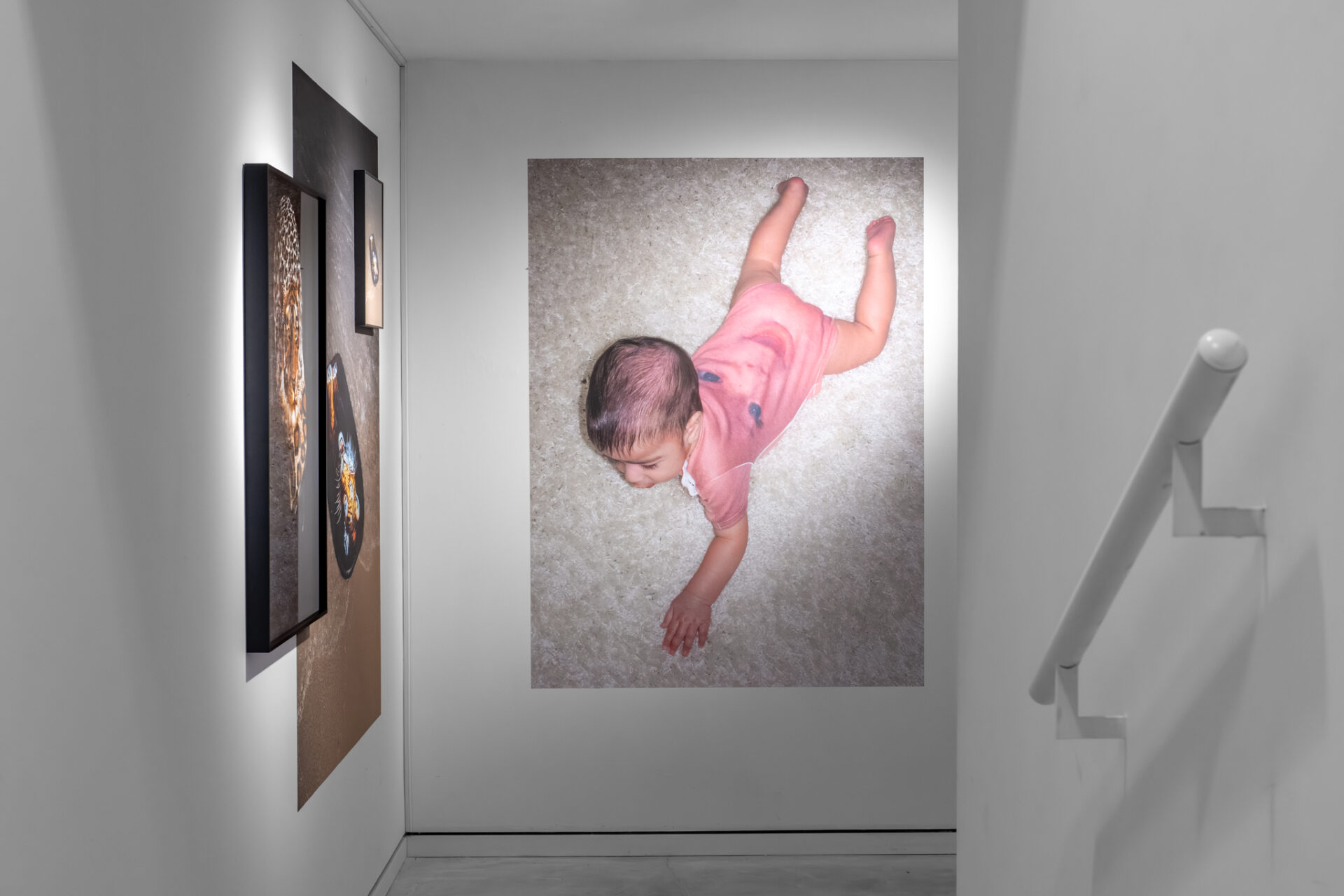
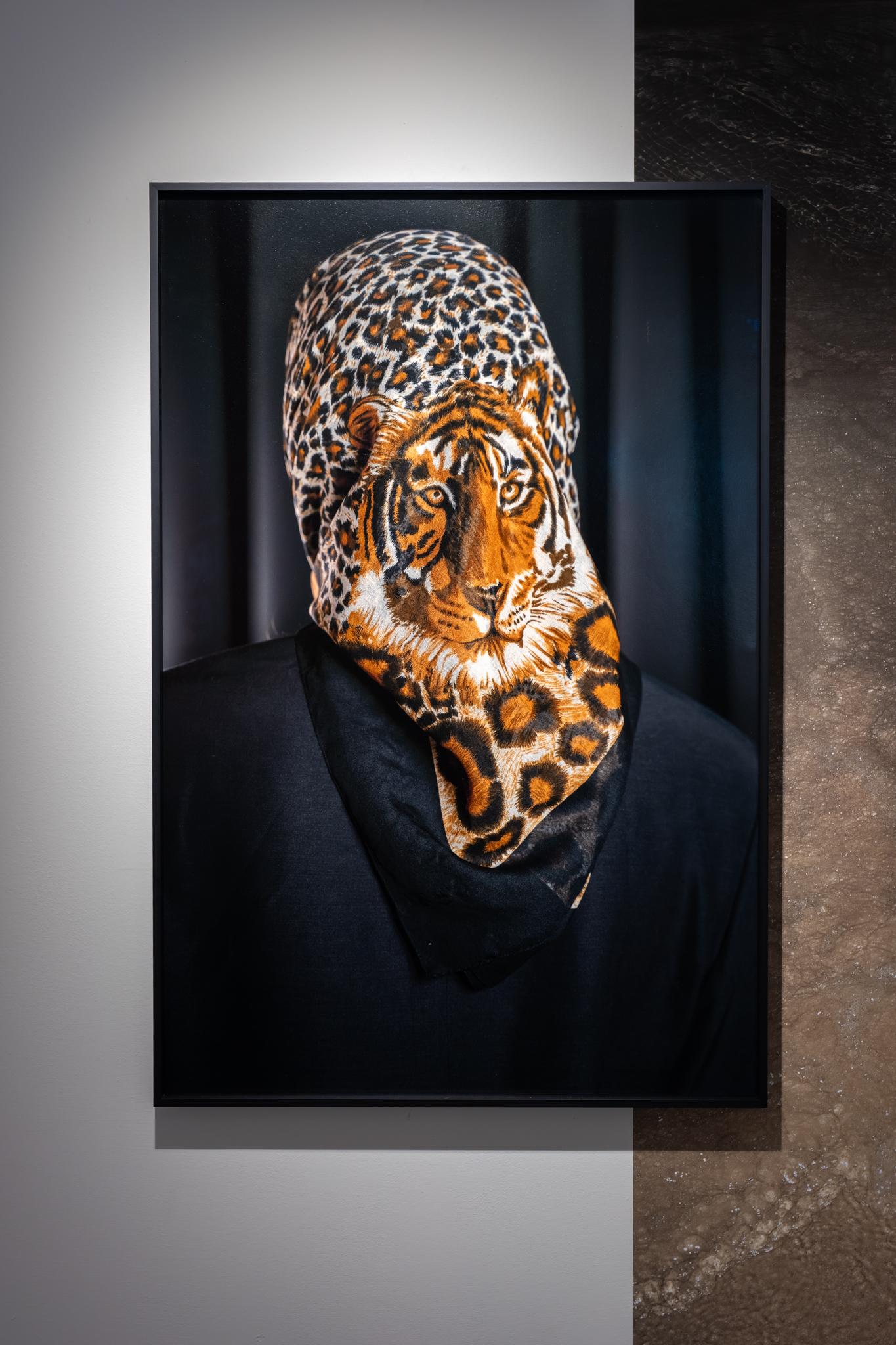
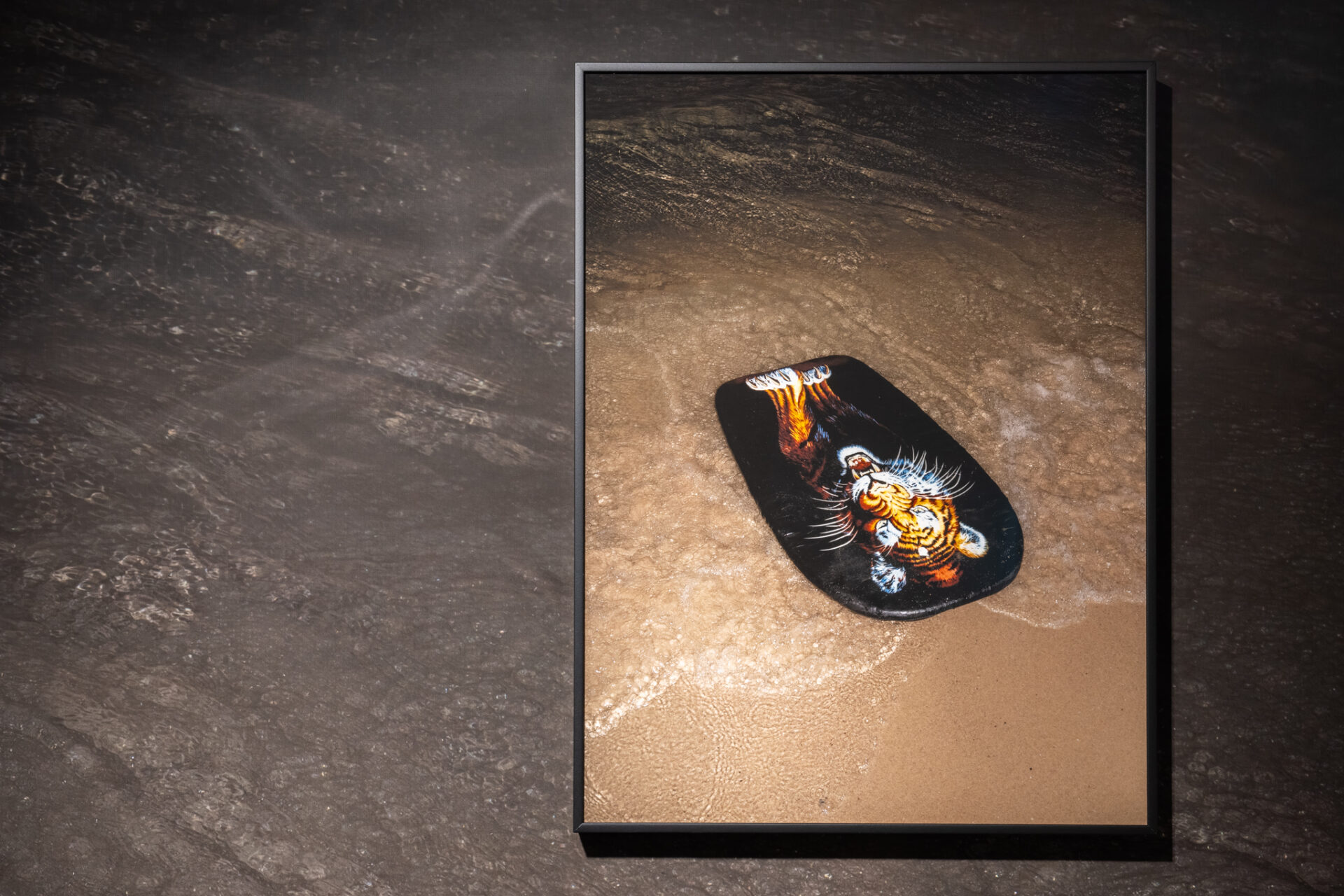
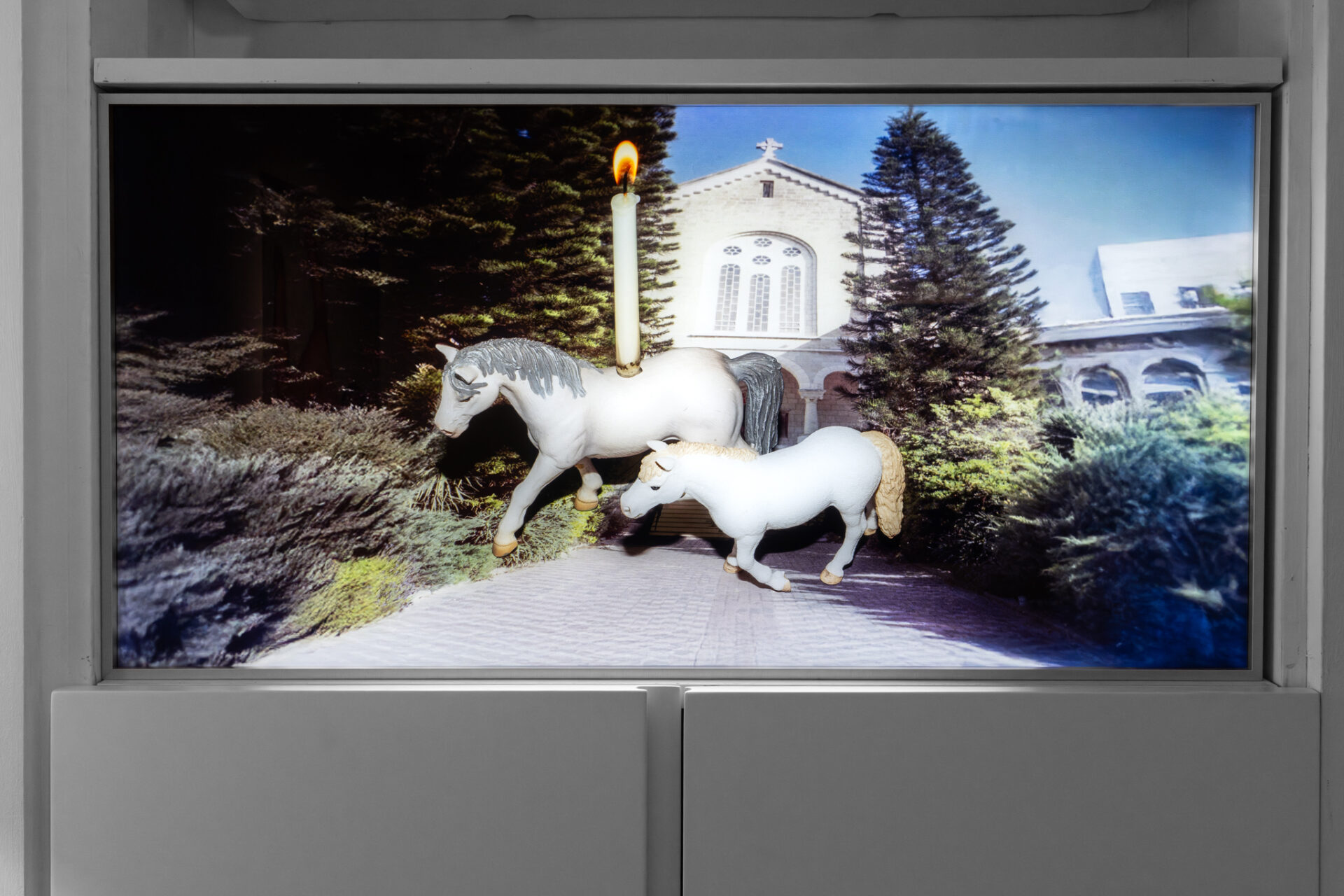
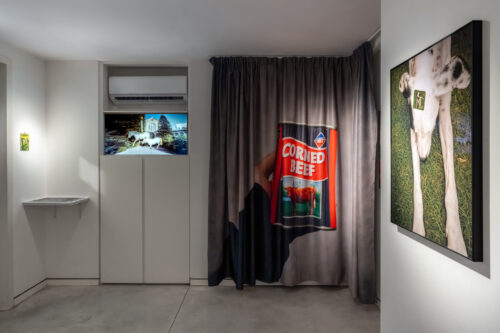
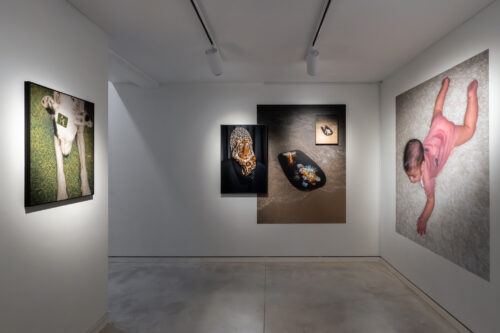
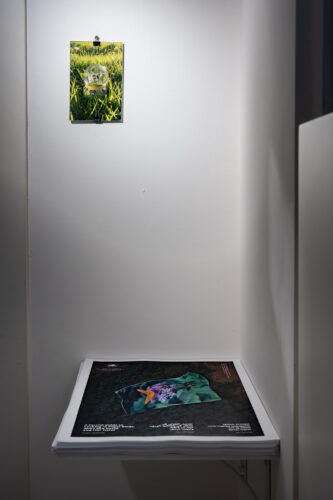
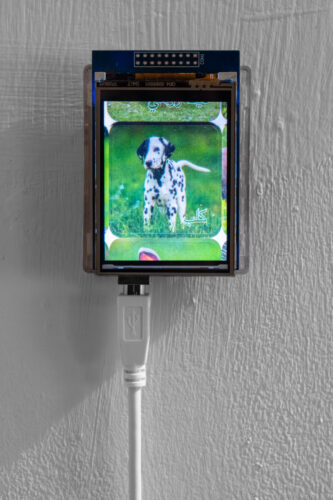
Alma Ben David and Lior Harel became curious about human-animal relations while working on their final exhibition at the Bezalel Academy of Art and Design. They found themselves drawn to the world of dog exhibitions, travelling every weekend to distant locations, looking for what the official camera would never capture. In the exhibition A Partial Guide to Looking at Paper Birds, they offer an alternative perspective, asking different questions about humans, about animals and about their relationships.
In the past, animals were central to humanity’s physical and spiritual existence. A fundamental affinity prevailed between them, an attachment of life and death, of nurturing and imagination, expressed in a mutual gaze – an unmediated relationship where both observed and acknowledged the other’s existence. Animals were integral to human imagination as omens and premonitions, used as symbols through which we learned to understand ourselves and our role in the world. Modernity triggered a crisis in these relations, subordinating animals to a system of control and exploitation. It turned them into consumer products, superficial images, objects of constant observation, caged spectacles showcased in zoos, as toys, or merchandise. In this reality, the pet as well often becomes an attractive image that complements its owner, seen as a beloved companion, and yet remaining isolated and voiceless (John Berger, Why Look at Animals?, 1977).
Given this sense of alienation, a different means of viewing is proposed: stop looking at animals as “others” and start recognizing them as “companion species” that share our present fate (Dona Harraway, The Companion Species Manifesto, 2003). It is a sobering moment of self-consciousness when we rediscover that the animal is not only the object of our gaze, but a present subject that looks back (Jacques Derrida, The Animal That Therefore I am, 2008). This returned gaze demands that we acknowledge our common destiny and realize that we are intertwined in the same shared space.
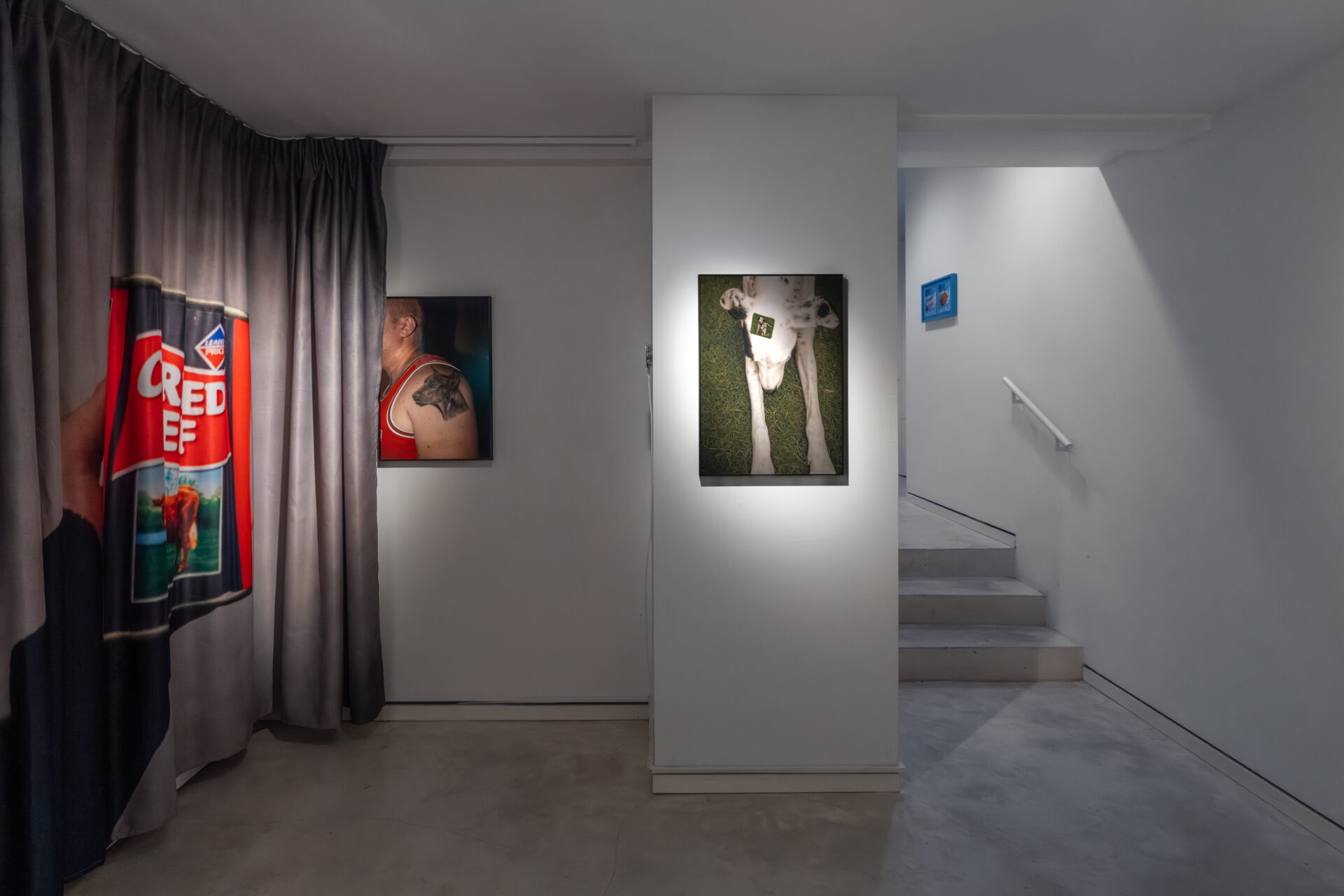
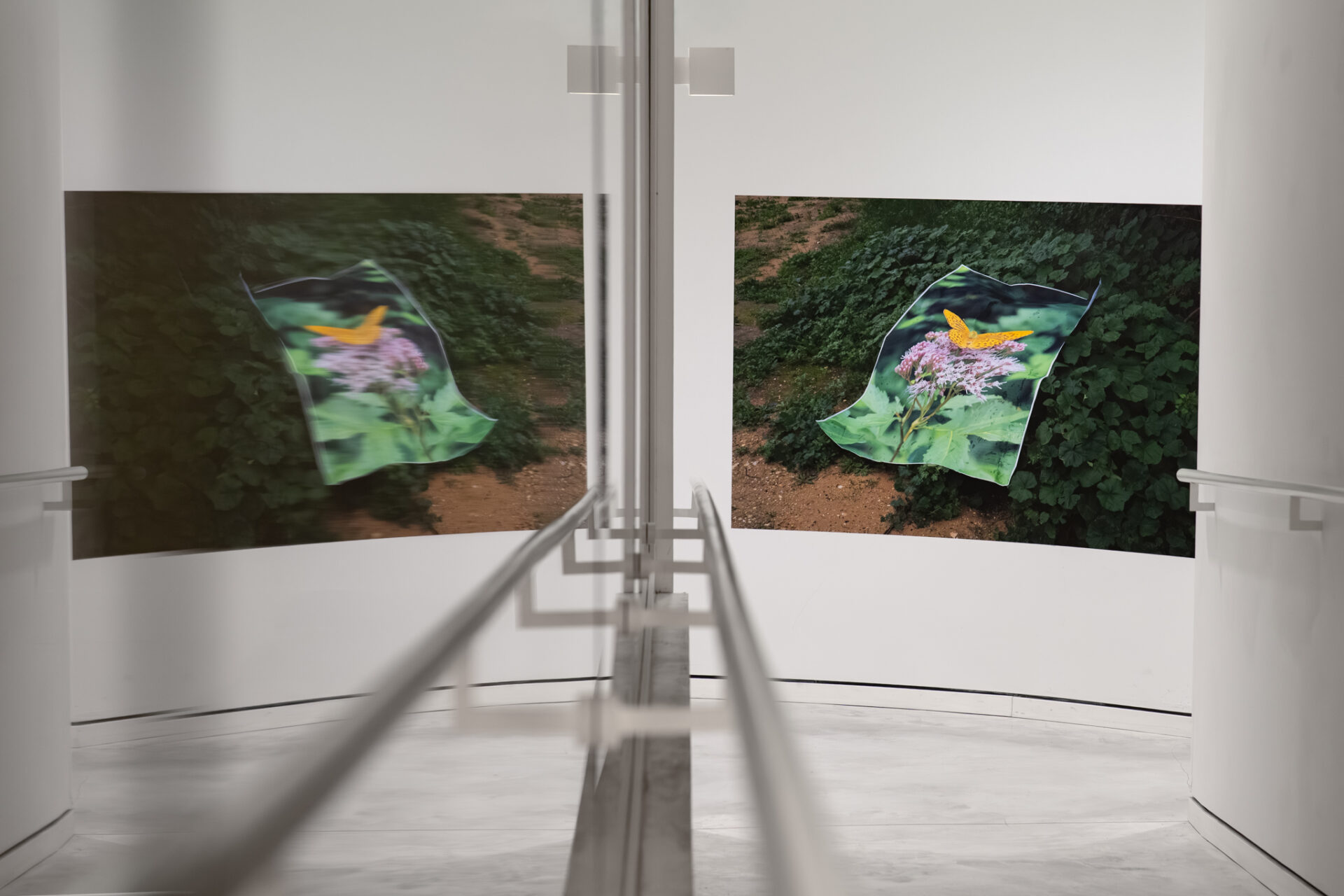
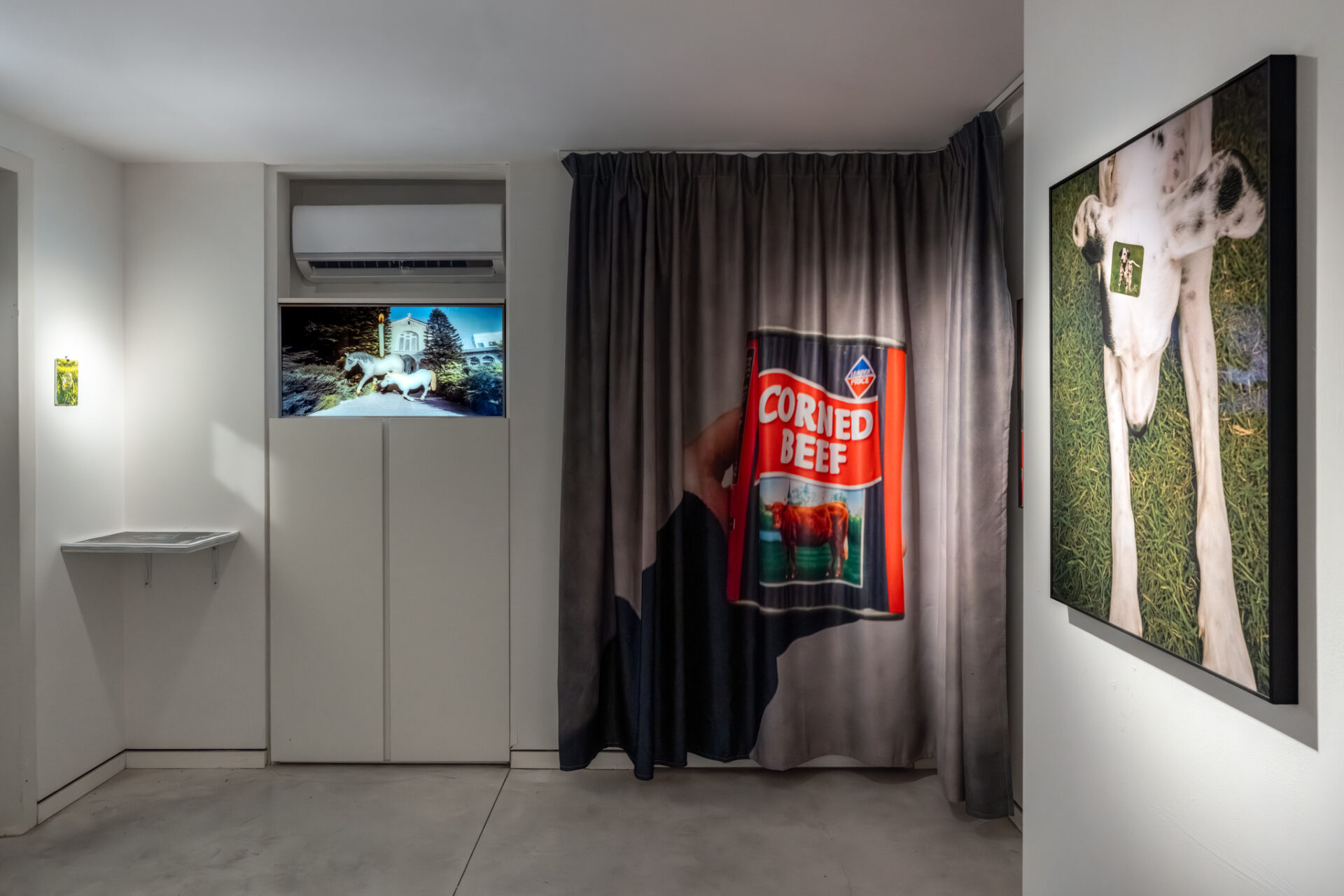
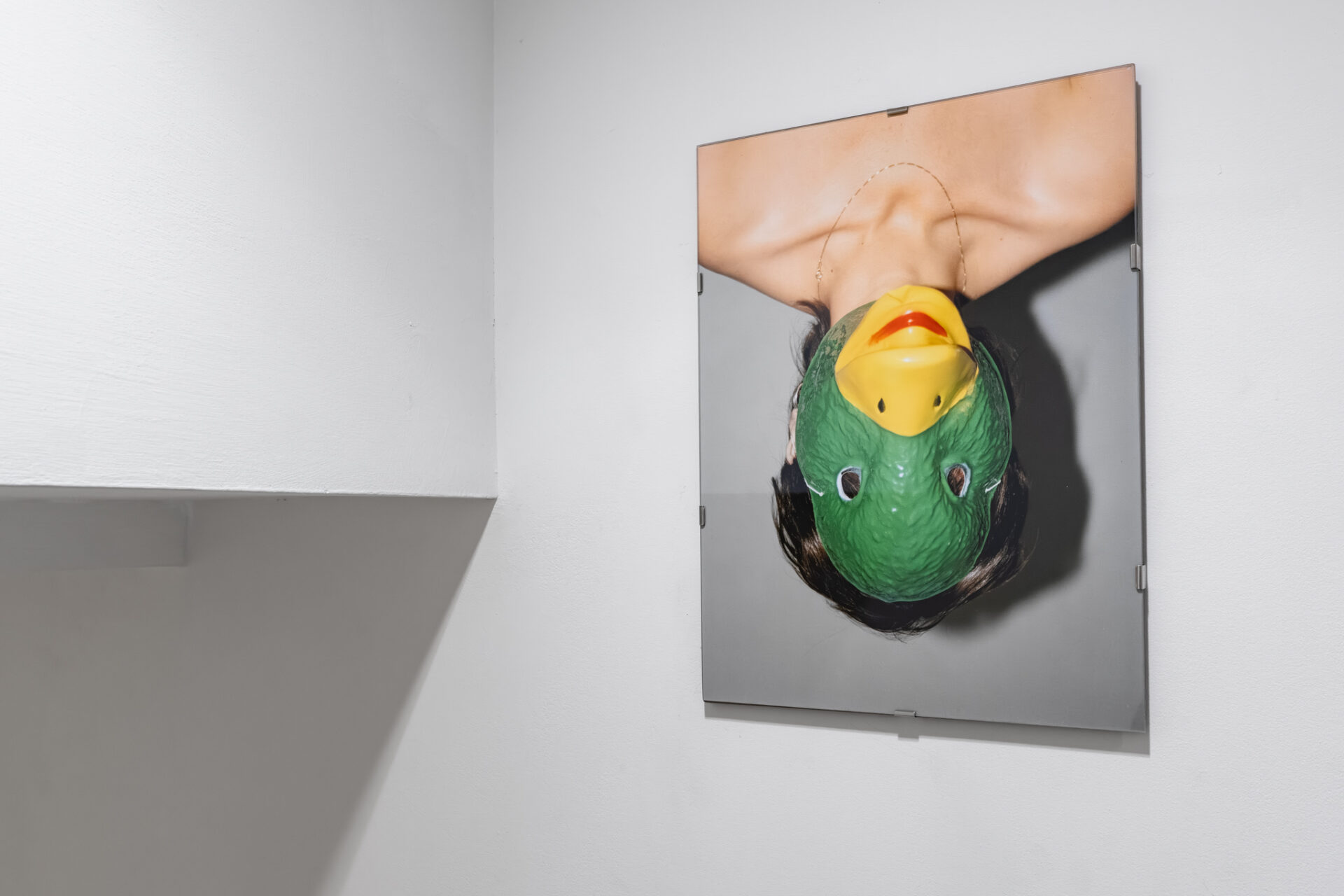
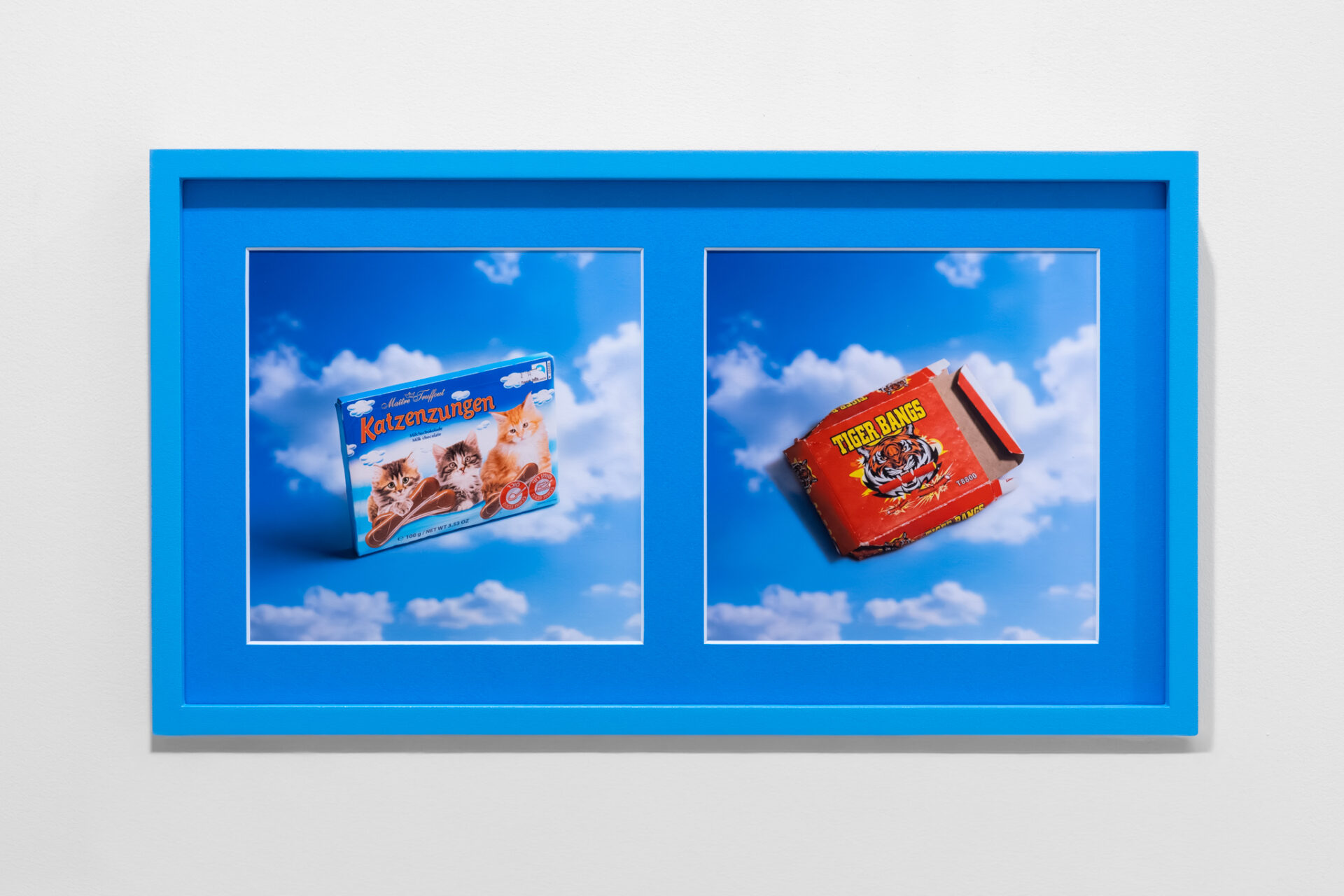
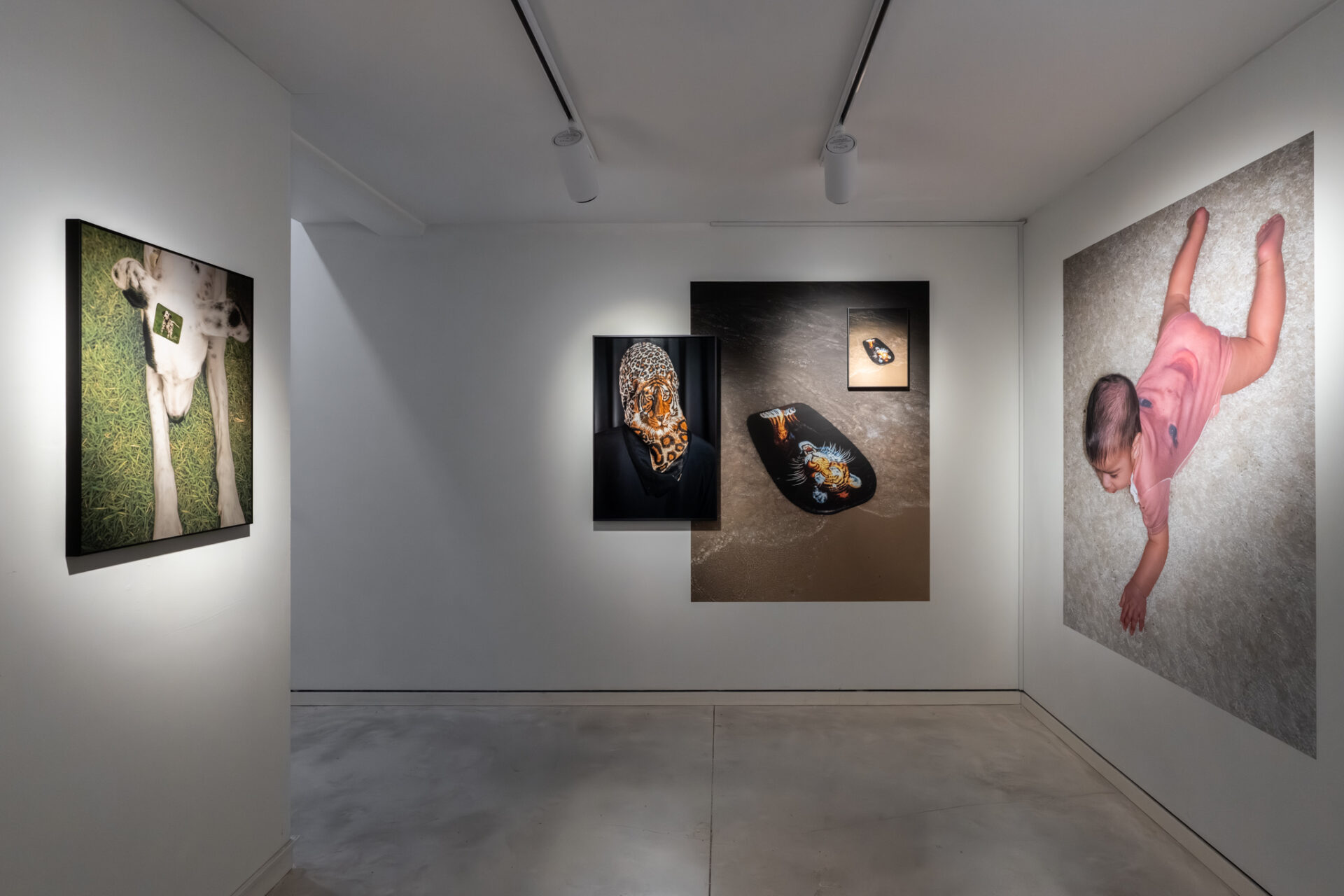
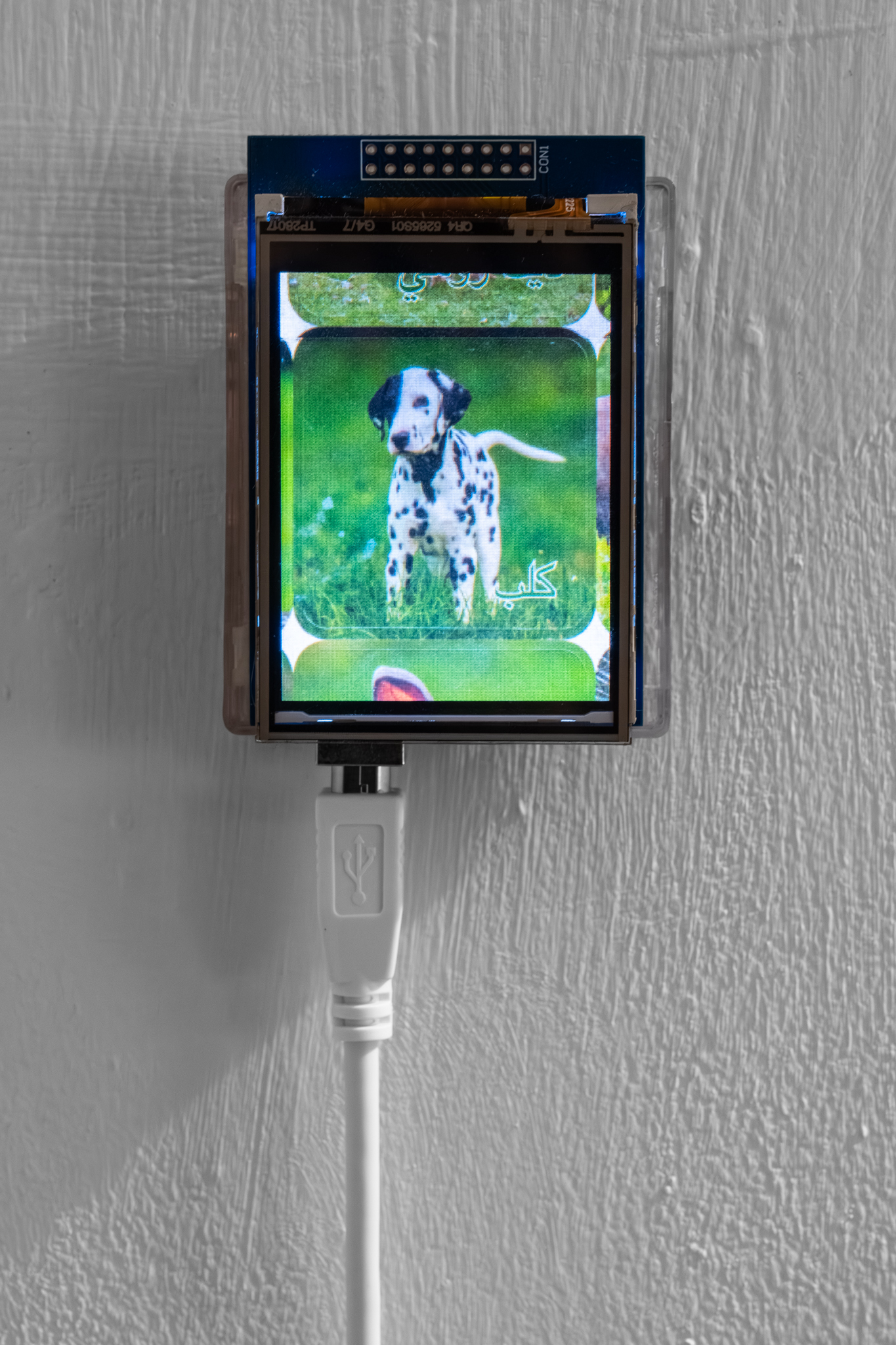
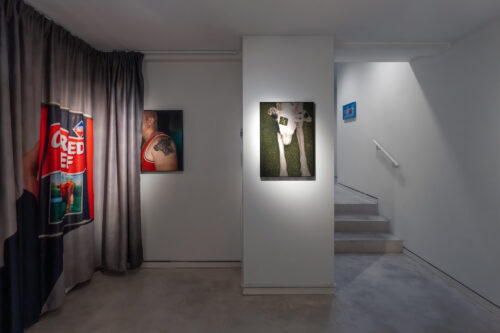
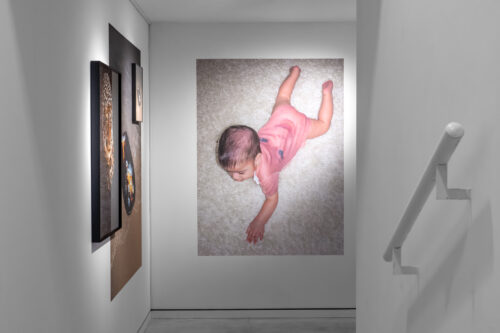
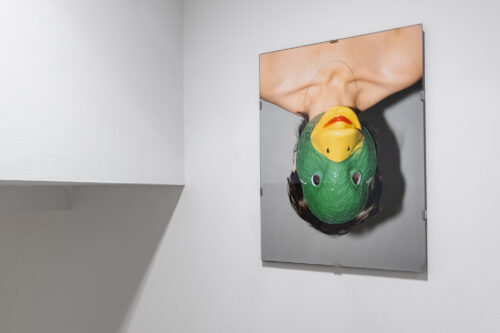
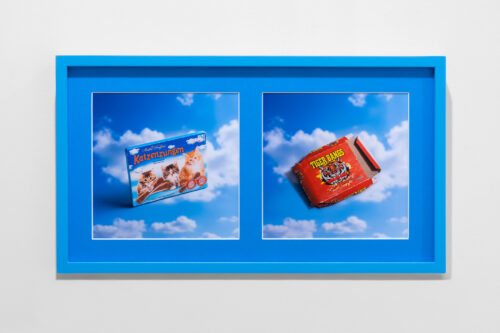
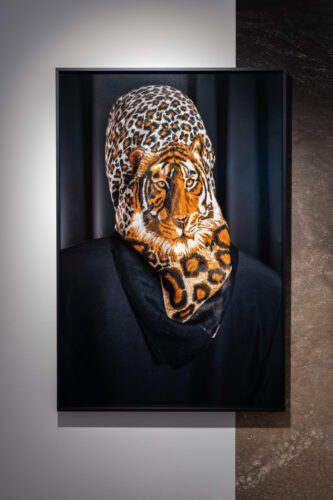
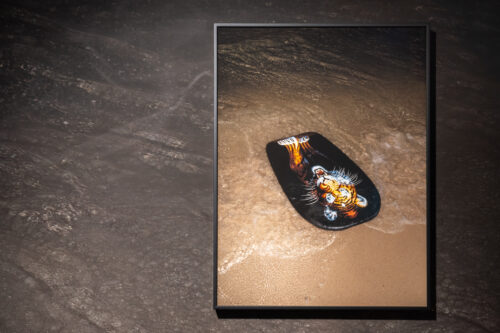
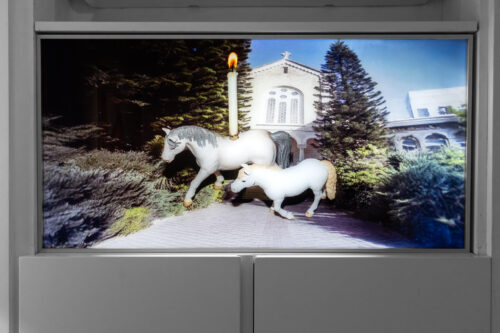
Alma and Lior operate within this tension. Through action that shifts between wandering photography and playful moves, the artists have created a photographic archive composed of images captured in urban space as well as directed scenes. They use photography to explore the animal’s presence and gaze as they appear in their environment, from visual echoes captured as superficial representations on daily objects to the actual encounter with animals, including Wiz, the dog that shares their life.
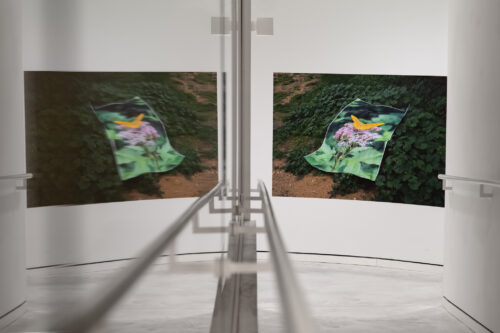
Precisely through photography, a medium that has traditionally enshrined alienation, the artists seek to generate a different action. They shift these images from their consumerist and ornamental context and liberate the animal from being an echo, a faded memory of a lost presence, a living monument or a mute memento. In this action, every photograph is self-contained, yet the links woven between the works in the space are those that generate the resonance. While the echo points to the distance and absence, the resonance produces a living system that reacts to the encounter in a uniquely powerful way, maintaining a constant dialogue of recurring and changing movements. Within this reverberation, the photographic image ceases to depend on its lost origin and becomes an independent being. It no longer just points to an absent animal but charges the present moment with power that requires no external approval. A Partial Guide to Looking at Paper Birds offers no systematic reflection, but an invitation for exploration. Within these deliberate and incidental connections, space is opened for the returned gaze, in which we and the animals can once again identify each other and claim mutual recognition.